When the chilly autumn winds begin to sweep across the United States, a familiar scent wafts from every corner: the aroma of cinnamon. From the warm Pumpkin Spice Lattes in the hands of passersby and freshly baked Cinnamon Rolls covered in sweet icing, to the traditional Thanksgiving Apple Pie, cinnamon is truly the “soul” of the fall and winter seasons in America.
However, there is a fascinating secret that not every American consumer knows: The most premium cinnamon, highly sought after by renowned pastry chefs and spice experts in the US, originates from the misty, remote forests of Vietnam.
Vietnam is currently one of the world’s leading exporters of cinnamon (Cassia). The journey of bringing Vietnamese cinnamon bark across the ocean, especially penetrating deeply into the demanding US market, is a proud story of superior quality and a relentless effort to preserve original natural values.
“Saigon Cinnamon”: The Legend of an Explosive Flavor
In the international spice market, particularly in North America, Vietnamese cinnamon is often known by its prestigious commercial name: “Saigon Cinnamon” (scientific name Cinnamomum loureiroi).
While Ceylon cinnamon (originating from Sri Lanka) offers a mild sweetness and a subtle aroma, Saigon Cinnamon provides a completely contrasting and intense experience. The biggest differentiator that elevates Vietnamese cinnamon’s status is its extremely high essential oil (cinnamaldehyde) content, typically ranging from 4% to 6%—the highest of any cinnamon variety in the world.
This superior essential oil content gives Vietnamese cinnamon an explosive flavor: incredibly aromatic, with a warm, spicy kick combined with a deep, natural sweet aftertaste that requires no added sugar. For bakers in the US, Saigon Cinnamon is an absolute treasure. They only need to use half the amount compared to standard cinnamon to awaken all the senses, delivering a beautiful reddish-brown color and an intoxicating aroma to their baked goods.
Perfect Terroir: From Yen Bai to Tra My
The exquisite flavor of Vietnamese cinnamon is no coincidence; it is a priceless gift of terroir. The best cinnamon trees do not grow in the plains but root themselves deep on steep, rugged hillsides shrouded in mist year-round in the mountainous provinces.
-
The Northwest Mountains (Yen Bai, Lao Cai): This is the largest cinnamon capital in the country. The freezing winter climate and unique soil help the cinnamon bark accumulate a dense concentration of essential oils. The cinnamon forests here are deeply intertwined with the lives of the Dao and H’Mong ethnic minorities.
-
The Central Mountains (Tra My – Quang Nam, Tra Bong – Quang Ngai): Dubbed “the mountain jade cinnamon,” the cinnamon from this region possesses an exceptionally unique aroma, intense heat, and high sweetness. Historically serving as a royal tribute, it is now a specialty highly sought after by international gourmands.
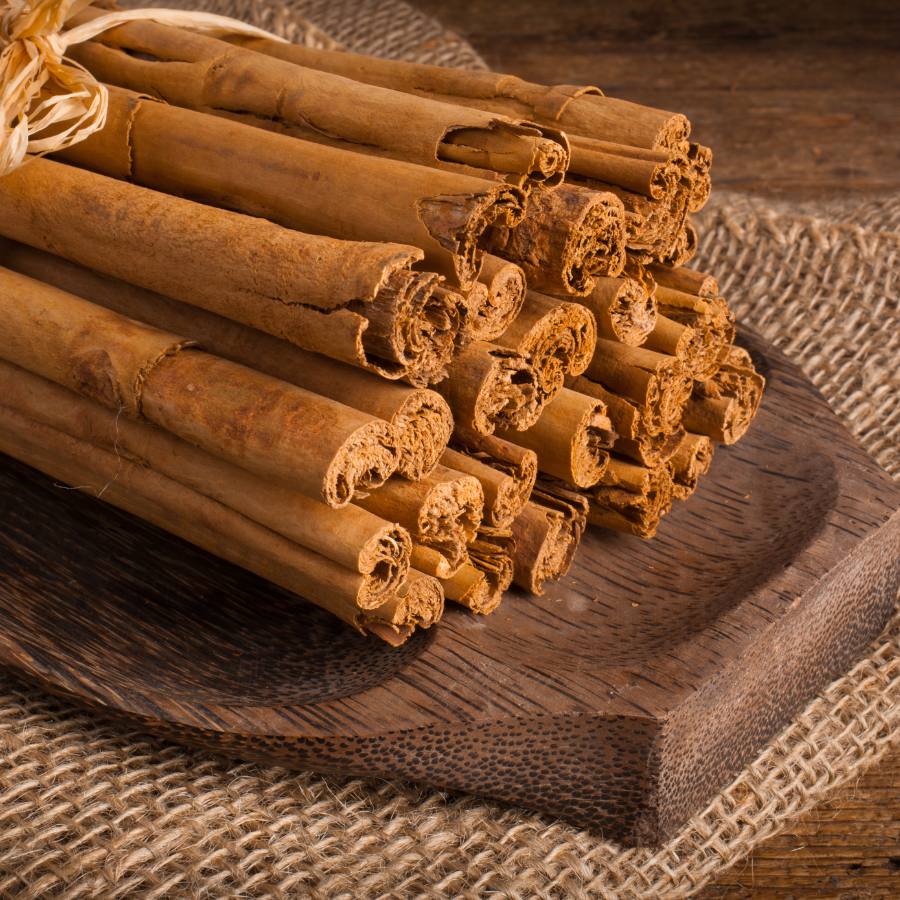
To produce export-quality cinnamon sticks for the US, farmers must patiently wait 10 to 15 years for the trees to mature. The harvesting and peeling process is entirely manual, requiring immense skill to prevent the bark from cracking. It is then naturally sun-dried until it curls into the signature reddish-brown cinnamon quills.
Culinary Cultural Intersection: From Pastries to Bowls of Vietnamese Pho
In the US, Vietnamese cinnamon is successfully playing a dual role: elevating traditional Western dishes while simultaneously spreading Asian culinary culture.
Beyond dominating recipes for pastries, beverages (cider, chai tea, coffee), and iconic American desserts, Vietnamese cinnamon also serves as a bridge introducing Americans to Vietnamese cuisine. The boom of Pho restaurants across the US has helped diners realize that cinnamon is not just for sweets. A charred cinnamon stick is one of the core spices (alongside star anise, black cardamom, and cloves) that creates the fragrant, deep, and deeply healing beef broth of Pho.
Today, spice companies in the US not only import cinnamon sticks but also heavily develop product lines of ground cinnamon, pure cinnamon essential oil, and BBQ rubs featuring Vietnamese cinnamon.
Looking to the Future: Organic Agriculture and Fair Trade
The US market increasingly demands transparency regarding origins and the sustainability of the supply chain. A new generation of American consumers is willing to pay a premium for environmentally friendly and socially responsible products.
Grasping this trend, cinnamon-growing regions in Vietnam are undergoing a vigorous transformation. Instead of traditional farming, thousands of hectares of cinnamon forests have achieved Organic certification under the strict standards of the USDA. Farmers refrain from using chemical fertilizers or herbicides, helping to protect the upstream forest ecosystems.
In addition, Fair Trade models are being implemented to ensure the rights of ethnic minority groups. When American consumers choose to buy a jar of “Saigon Cinnamon,” they are not just purchasing a fine spice; they are contributing to the sustainable livelihoods of minority communities and supporting efforts to re-green barren lands and hills in Vietnam.
Conclusion
From the rough bark grown in distant, misty high mountains, Vietnamese cinnamon has crossed the ocean to bring warmth to millions of kitchens in the US. It is not just the story of a spice with the highest essential oil content in the world; it is also a journey of cultural connection, where the essence of Vietnam’s land and sky helps perfect the warm, gathering moments within native American culture.
Every time you taste the sweet, spicy kick of a Cinnamon Roll or breathe in the aroma of a winter tea, remember that you are very likely enjoying the most wonderful gift from the fragrant forests of Vietnam.