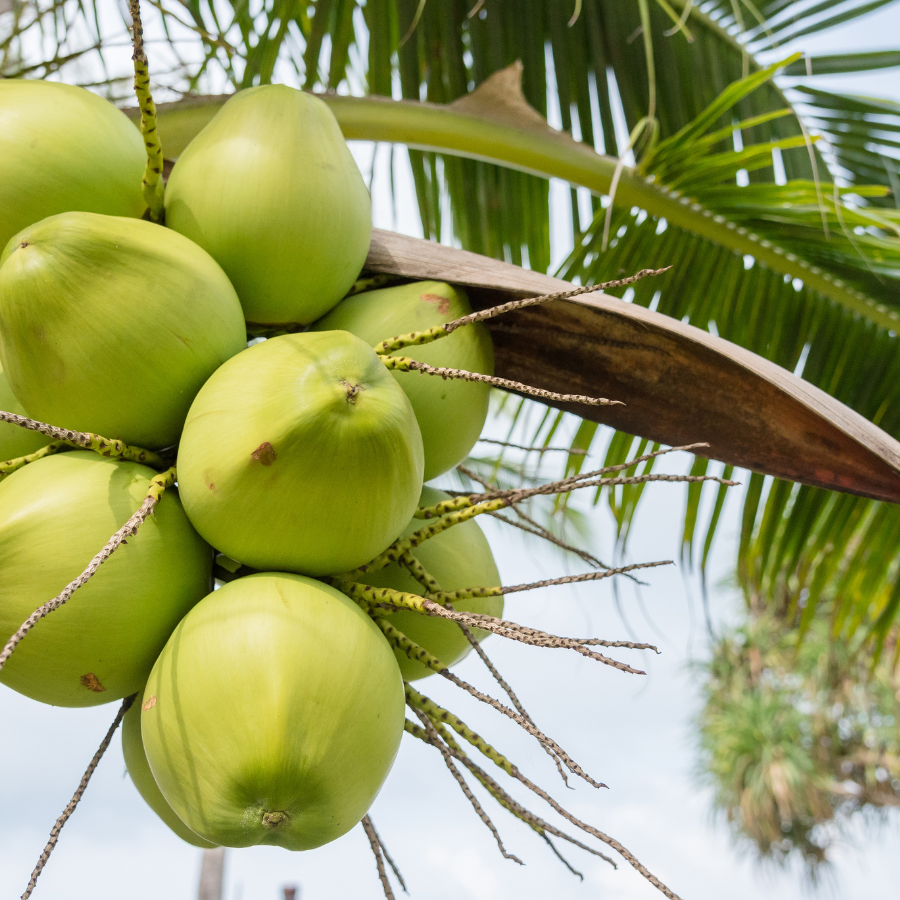
In the United States, the consumer wave toward natural, plant-based, and healthy products is growing stronger than ever. American consumers are increasingly cautious of artificially sweetened beverages and are seeking pure, nutrient-rich alternatives. In this trend, coconut products have quickly risen to become “shining stars” on supermarket shelves.
However, the US market is inherently strict and highly competitive. To win the hearts of consumers here, a product must not only be safe but also possess an outstanding flavor. This is when Vietnamese Coconuts step out into the world, carrying the pride of a fertile alluvial land, to assert their position as one of the most delicious coconut hubs globally.
Ben Tre: The “Capital” of Vast Green Coconut Groves
To understand what makes Vietnamese coconuts so exceptional, American consumers need to know the story of their origin. Unlike the rolling hills that grow coffee or pepper, Vietnamese coconuts thrive primarily in the Mekong Delta, where the mighty Mekong River empties into the sea. The heart of that land is Ben Tre—the province dubbed the “coconut capital” of Vietnam.
This region possesses an incredibly unique “terroir.” The intersection of an intricate river system, abundant alluvial deposits replenished annually, and a distinctive brackish water ecosystem has created a perfect growing environment rarely found anywhere else in the world.
The coconut trees in Ben Tre do not require excessive intervention from chemical fertilizers. They freely send their roots deep into the fertile mud, stretching their lush green fronds to catch the tropical sun and wind, distilling every drop of the Mekong River to crystallize into fruit-laden coconuts. For the locals, the coconut tree is not just an agricultural crop; it is a symbol of culture, resilience, and the lifeblood that has nourished generations.
Green Siamese Coconut (Dừa Xiêm Xanh): A Natural “Energy Drink”
The flagship product and greatest pride of Vietnamese coconuts when introduced to the US market is fresh coconut water. While the US market is already familiar with various imported coconut waters from other countries, Vietnam’s Green Siamese coconut variety delivers a delightful “flavor revelation.”
-
Unparalleled elegant sweetness: Ben Tre’s Green Siamese coconut water is famous for its naturally high Brix level (a measure of sweetness). Unlike the harsh sweetness or sometimes bland, slightly sour taste of other coconut varieties, Vietnamese coconuts offer a crisp, refreshing sweetness with a gentle aroma subtly reminiscent of pandan leaves. It is so delicious that it requires absolutely no added refined sugar or artificial flavorings.
-
Abundant minerals: Packed with high levels of Potassium, Magnesium, and electrolytes, Vietnamese coconut water is highly sought after by sports enthusiasts, yogis, and gym-goers in the US as the perfect “natural energy drink” for post-workout rehydration.
Advanced aseptic packaging technologies (like Tetra Pak) now help preserve 100% of the flavor and nutrients of fresh coconut water, from the moment it is harvested from the tree in Ben Tre until it sits neatly in the refrigerator of a family in Los Angeles or New York.
Incredible Versatility: From the Kitchen to the Beauty Routine
Beyond coconut water, Vietnamese businesses are fully maximizing the value of the coconut, applying deep processing technologies to bring an incredibly diverse ecosystem of products to US supermarket shelves:
-
Coconut Milk & Cream: These are wonderful lifesaver ingredients for the vegan or dairy-free communities in the US. The rich, creamy, and thick consistency of Vietnamese coconut milk is the soul of countless soups, curries, smoothies, and premium desserts.
-
Virgin Coconut Oil: Extracted using modern cold-pressed centrifuge technology, pure Vietnamese coconut oil retains its precious lauric acid content. In the US, this product is not only found in the kitchen but also serves as a “miracle cure” in women’s skincare and haircare routines.
-
Healthy Snacks: From traditional candied coconut ribbons, manufacturers have now innovated to create seasoned crispy coconut chips, coconut butter, and coconut aminos—a soy sauce alternative that is incredibly trendy within the Keto and Paleo diet communities in the US.
Circular Agriculture: The Green Commitment of Vietnamese Coconuts
To stand firm in the US market, the story of being delicious and clean is not enough; it must also be a story of responsibility. American consumers particularly appreciate brands that practice sustainable development and minimize environmental impact.
The Vietnamese coconut industry is proud to be at the forefront of the Circular Agriculture (Zero-waste) model. Every component of the coconut is maximized; nothing is thrown away. The water and meat are used for food; the coconut shell is crafted into exquisite handicrafts, coconut bowls, or activated charcoal for water filtration; the husk and coir are processed into floor mats, eco-nets, or eco-friendly organic substrates serving the urban agriculture sector in the US.
Additionally, the raw coconut growing areas in Ben Tre are increasingly expanding their acreage to meet USDA Organic standards. Through fair trade programs, the income of coconut farmers has significantly improved, giving them the peace of mind to stick to their land and orchards while preserving nature-friendly farming methods.
Conclusion
The journey of Vietnamese coconuts from the Mekong Delta to America is a vivid testament to the aspiration of Vietnamese agricultural products to reach new heights. It is not merely the export of a tropical fruit, but the delivery of a priceless gift from nature: pure, healthy, and full of nutrients.
Every time an American pops open a refreshing carton of coconut water after a run, or scoops a spoonful of fragrant coconut oil into their morning coffee, they are not just enjoying a premium product. They are fully tasting the flavor of a sun-drenched, breezy alluvial land, and feeling the dedication and diligence of Vietnamese farmers through every quintessential drop of heaven and earth.