
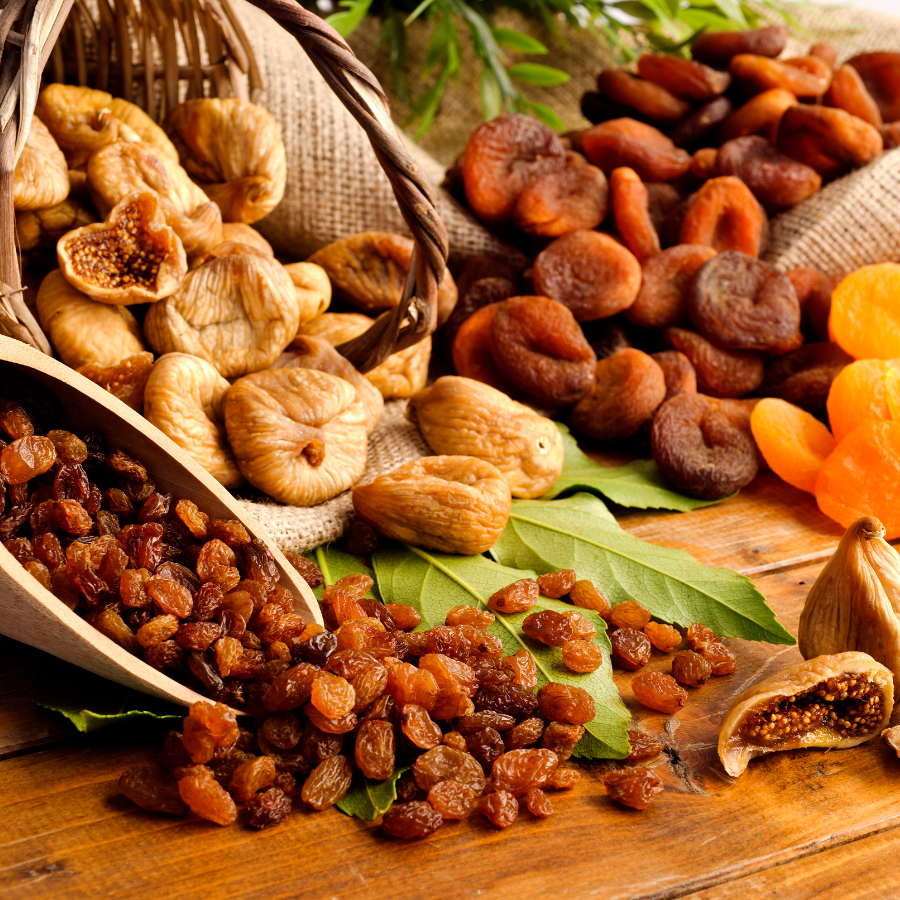
In recent years, food consumption culture in the United States has witnessed a massive shift. The rise of diet-related illnesses has pushed Americans to gradually abandon heavily processed, deep-fried snacks loaded with refined sugars and artificial flavors. Instead, they are actively seeking out healthy, plant-based snacks that retain their natural flavors and are rich in nutrients.
Right at the intersection of this trend, Vietnamese dried fruit has emerged as a “bright star,” offering the US market not just a perfect snacking solution, but a sweet symphony of authentic tropical flavors.
The Tropical Fruit Basket: Advantages from Mother Nature’s Roots
To produce high-quality dried fruit, the prerequisite lies in the raw materials. Vietnam, with its long coastline and diverse tropical monsoon climate, is blessed by nature with fertile agricultural regions, most notably the Mekong Delta—often hailed as the largest “fruit basket” in Southeast Asia.
The fertility of the alluvial soil combined with year-round radiant sunshine nourishes fruits with deep, sharp flavors that are hard to match anywhere else. From vibrant yellow, ripe Hoa Loc mangoes and highly aromatic, regal jackfruits, to refreshing dragon fruit and palate-stimulating sweet-and-sour passion fruit. The greatest advantage of Vietnamese dried fruit is that the produce is harvested at peak ripeness, when natural sugar (fructose) levels are absolutely perfect, completely eliminating the reliance on artificial sweeteners during processing.
Modern Processing Technology: Breakthroughs Awakening Every Sense
Years ago, when American consumers thought of dried fruit, they often pictured candied fruits that were heavily sugared, sticky, and stripped of their original flavors. But Vietnam has completely redefined this concept by applying the most advanced preservation and processing technologies.
Instead of traditional high-heat drying, Vietnamese businesses now master three core technologies, delivering incredibly diverse culinary experiences:
-
Soft-drying (Cold-drying): This is a low-temperature drying method that slowly removes water. The result is a line of exquisite chewy dried fruits. The prime example is Soft-dried Mango—a mango slice that retains its vibrant orange-yellow color and chewy texture, delivering an immediate, irresistible explosion of sweet and sour flavors with every bite. Another breakthrough is Soft-dried Passion Fruit, featuring a cool, refreshing rind blended with its signature tangy taste.
-
Freeze-drying: The fruit is flash-frozen and dried in a vacuum environment, retaining 100% of its shape, color, and cellular structure. Pieces of Freeze-dried Durian or Freeze-dried Dragon Fruit are light and airy, melting instantly in the mouth while fully preserving their vitamins and minerals. They are currently becoming a “phenomenon” on diet and wellness forums in the US.
-
Vacuum Frying: Applied to crispy dried fruits like jackfruit, bananas, and taro. This technology uses very low temperatures so the oil does not oxidize, creating crispy, golden jackfruit chips that are not greasy and boast a natural, nutty sweetness.
Catching the American Healthy Snacking Trend
The US market highly values versatility. Vietnamese dried fruit is not just a standalone snack to munch on during work hours or outdoor excursions (hiking, camping); it is also a perfect ingredient to elevate daily meals.
Young Americans (Millennials and Gen Z) absolutely love dicing soft-dried mango or dragon fruit to mix into their morning granola, Greek yogurt, or to sprinkle on top of vibrant smoothie bowls. For the Vegan, Gluten-free, and Non-GMO communities, Vietnam’s authentic dried fruits are “true love” because of their incredibly minimalist ingredient list: 100% fresh fruit, no artificial colors, and no chemical preservatives.
Overcoming Standard Barriers and Committing to Sustainability
The door to entering the US market has never been easy due to extremely strict technical barriers and food safety standards. However, dried fruit processing plants in Vietnam have made remarkable strides, equipping themselves with closed, automated production lines and achieving prestigious international certifications such as the US FDA, BRC, HACCP, and ISO 22000.
Furthermore, the dried fruit processing industry plays a massive role in the story of sustainable development and combating Food Waste—an issue that modern American consumers care deeply about. Instead of letting tens of thousands of tons of fresh fruit rot because they cannot be consumed in time during peak harvest seasons, drying technology extends the shelf life, elevates the value of agricultural products, and provides a stable income for millions of farmers. Many raw material growing regions in Vietnam are also vigorously transitioning to GlobalGAP and Organic farming models, ensuring a green and clean agricultural ecosystem.
Conclusion
The journey of Vietnamese dried fruits—from the lush orchards along the Mekong River to the supermarket shelves in New York, California, or Texas—is an inspiring story about the transformation of Vietnamese agriculture.
It is not merely about exporting dehydrated fruit slices; it is about how we package tropical sunshine, Mother Earth’s sweetness, and the farmers’ dedication into every single product. For the US market, Vietnamese dried fruit is excellently performing the role of a culinary ambassador: blurring geographical boundaries and bringing authentic flavors and healthy, natural energy to every family.