The United States has long been known as a melting pot of some of the most diverse culinary cultures in the world. From traditional Western dishes to the explosion of Asian, Latin American, and Middle Eastern cuisines, rice always plays a foundational role. However, on supermarket shelves and in restaurants across America, Thai Jasmine or Indian Basmati rice has traditionally dominated the scene.
But that picture is steadily changing. Vietnam—one of the top three largest rice exporters globally—is stepping out of the shadows as a supplier of cheap, bulk rice to proudly introduce its most premium, specialty rice varieties to the US market. The journey of bringing these “pearls of heaven” to the world is not just a story of production volume; it is a revolution in flavor, quality, and sustainable development.
ST25: Claiming the Title of “World’s Best Rice”
Any introductory campaign to the US market needs a “star,” and for Vietnamese rice, that star is named ST25. The moment ST25 rice was honored with the “World’s Best Rice” award, it sent shockwaves through the global culinary elite and immediately caught the attention of US importers.
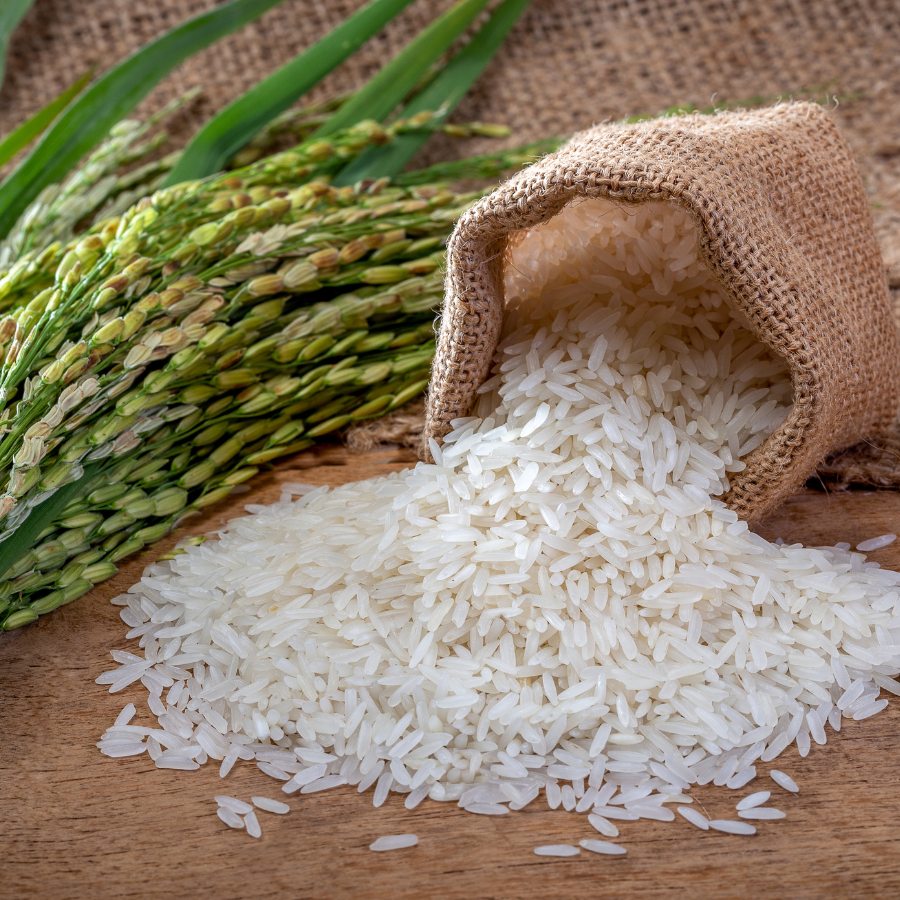
Meticulously bred and developed over decades in the Soc Trang region, ST25 possesses qualities that American consumers simply cannot resist. The grains are long, translucent, and free of chalky white bellies. When cooked, ST25 delivers a perfect texture: soft, slightly chewy, and notably, it doesn’t become dry or hard even when cooled.
But what makes this rice truly irresistible is its aroma. The delicate blend of tropical pandan leaves and the subtle scent of young green rice creates an incredible olfactory experience. For American families who love meal-prepping or reheating leftovers, ST25’s ability to retain its soft texture and fragrance is a massive plus.
The Mekong Delta: A Terroir That Forges Excellence
To win over discerning American consumers, we must tell them the story of the rice’s origin. The vast majority of Vietnam’s finest rice bowls are cultivated in the Mekong Delta—the lower basin of the mighty Mekong River.
This is a remarkably fertile delta, where a dense network of rivers and canals deposits a massive amount of nutrient-rich alluvium every year. This fertile soil, combined with a tropical climate full of sunshine, wind, and abundant water, creates an ideal “terroir” for rice plants to thrive naturally.
Beyond nature’s blessings, Vietnamese rice is steeped in the sweat and dedication of millions of farmers. Modern generations of Vietnamese farmers are shifting their mindset daily, abandoning the pursuit of mere quantity to meticulously care for every single rice stalk and grain. This ensures that every grain produced is the purest crystallization of heaven and earth.
Perfectly Aligned with Healthy Eating Trends
The US market is witnessing a surge in health-conscious eating trends, including Organic, Non-GMO, and Gluten-free diets. Vietnamese rice not only meets but often exceeds these rigorous standards.
In addition to specialty white rice, Vietnam is bringing highly sought-after product lines to the US that perfectly suit diet-conscious and health-focused communities:
-
Brown Rice and Red Rice: Retaining the bran layer rich in fiber, B vitamins, and essential minerals, these are the perfect alternatives to refined carbohydrates, ideal for those managing diabetes or controlling their weight.
-
Sprouted Rice (GABA Rice): Undergoing a special steeping and incubation process to activate the living germ, this rice drastically increases its GABA (Gamma-Aminobutyric Acid) content. GABA is an amino acid that helps reduce stress, improve sleep, and support the nervous system—making it a perfect fit for the fast-paced American lifestyle.
Incredible Versatility in the Modern Kitchen
An outstanding advantage of Vietnamese rice is its culinary versatility. It doesn’t just shine in traditional Asian dishes like fried rice, sushi, or paired with stir-fries and curries; it flawlessly integrates into modern American food culture.
The fragrant, soft grains of Vietnamese rice serve as an excellent base for the Poke Bowls and Grain Bowls that are incredibly trendy in major cities like New York and Los Angeles. It can also be paired seamlessly with black beans and sweet corn for Mexican-style dishes, or simply act as an elegant side dish sitting right next to a juicy grilled steak.
Looking to the Future: A Commitment to Sustainable Agriculture
The gateway to the US market always comes with strict technical barriers set by the FDA (Food and Drug Administration). To confidently walk through those doors, the Vietnamese rice industry has undergone a massive restructuring toward green agriculture.
Hundreds of thousands of hectares of rice in Vietnam have now achieved international certifications such as GlobalGAP, SRP (Sustainable Rice Platform), and USDA Organic. Most notably, the “Rice-Shrimp” rotational farming model in coastal areas has become a shining example of sustainable development. Rice is grown in the same fields used for shrimp farming, utilizing absolutely no chemical pesticides or fertilizers in order to protect the shrimp. Conversely, the waste from the shrimp becomes an excellent source of organic nutrition for the rice. This model not only produces perfectly clean rice but also protects the ecosystem, reduces greenhouse gas emissions, and adapts to climate change.
Conclusion
The journey of Vietnamese rice reaching the US market is a deeply proud one. From a post-war nation struggling with food security, Vietnam has risen to become a powerhouse exporter of high-quality rice.
When an American family gathers around the dining table and scoops a bowl of hot, fragrant, and soft rice imported from Vietnam, they are not just enjoying a common staple food. They are tasting the sweet essence of the Mekong River, feeling the diligence of the Vietnamese farmers, and above all, experiencing the passion of bringing the finest Vietnamese agricultural products to harmonize with global culinary culture.